Independent pet care reference. Not a veterinary clinic; ask your vet about your own pet.

Toxic to

Toxic plants: Dogs

16 toxic plants list toxic to as Dogs. Open a record for its facts and sources.
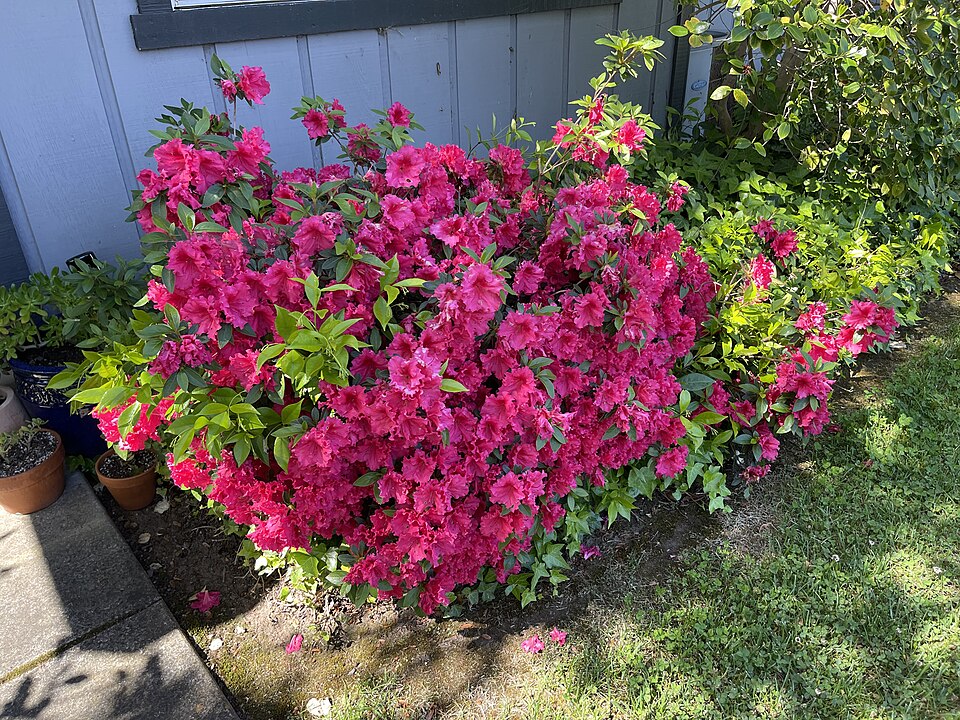
Shrub covered in bright magenta flowers beside a house wall
Missvain, CC BY 4.0, via Wikimedia Commons
Dogs, Cats, Horses

Azalea

Scientific name
Rhododendron spp.
Clinical signs
Vomiting (not in horses), diarrhea, weakness, cardiac failure

View details
Potted plant with clusters of small pink flowers on a wooden table
George E. Koronaios, CC BY-SA 4.0, via Wikimedia Commons
cats, dogs

Kalanchoe

Scientific name
Kalanchoe spp
Clinical signs
Vomiting, diarrhea, abnormal heart rhythm (rare)
View details
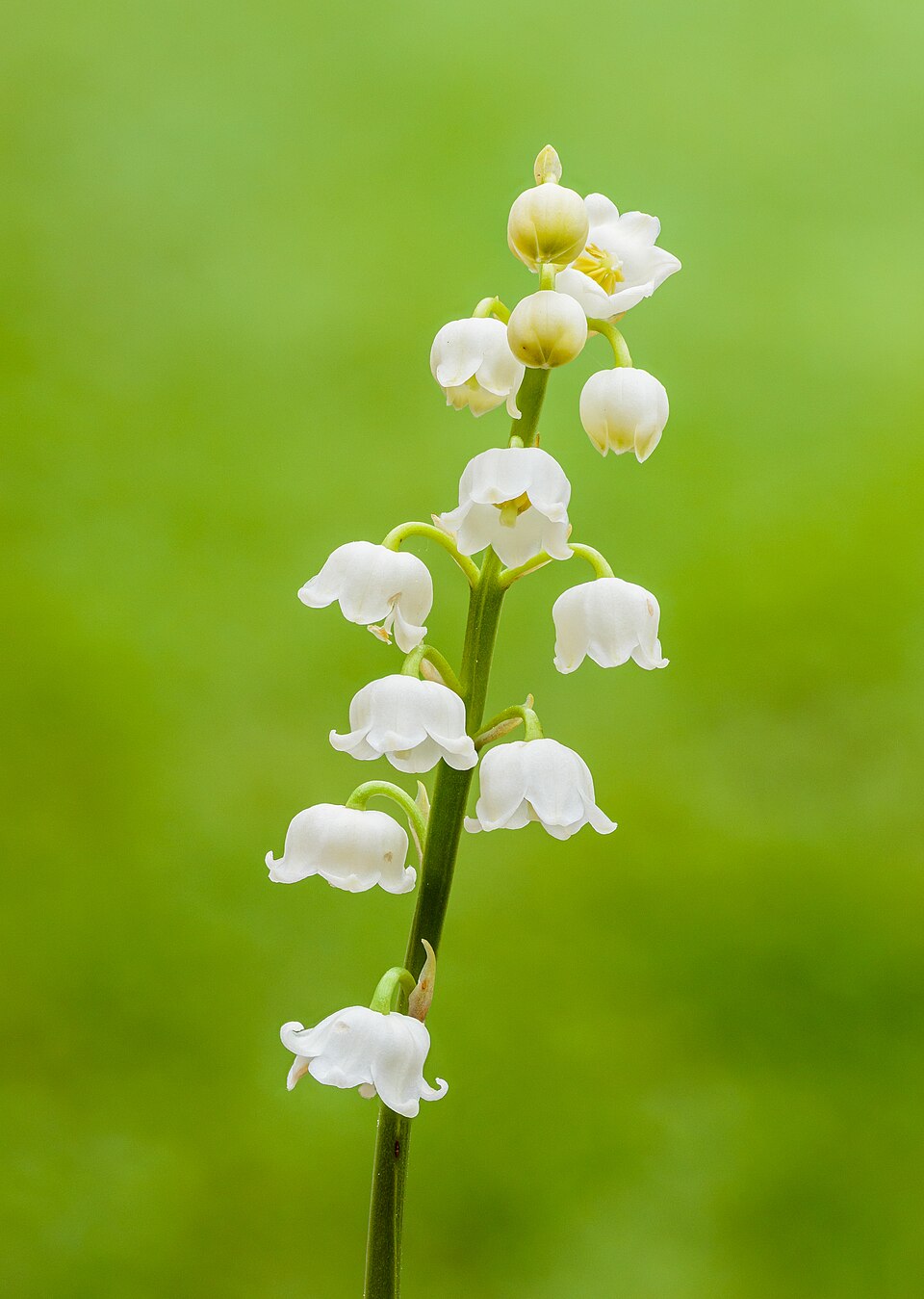
Single stem of small white bell-shaped flowers against a soft green background
Agnes Monkelbaan, CC BY-SA 4.0, via Wikimedia Commons
cats, dogs

Lily of the Valley

Scientific name
Convallaria majalis
Clinical signs
Vomiting, irregular heart beat, low blood pressure, disorientation, coma, seizures
View details
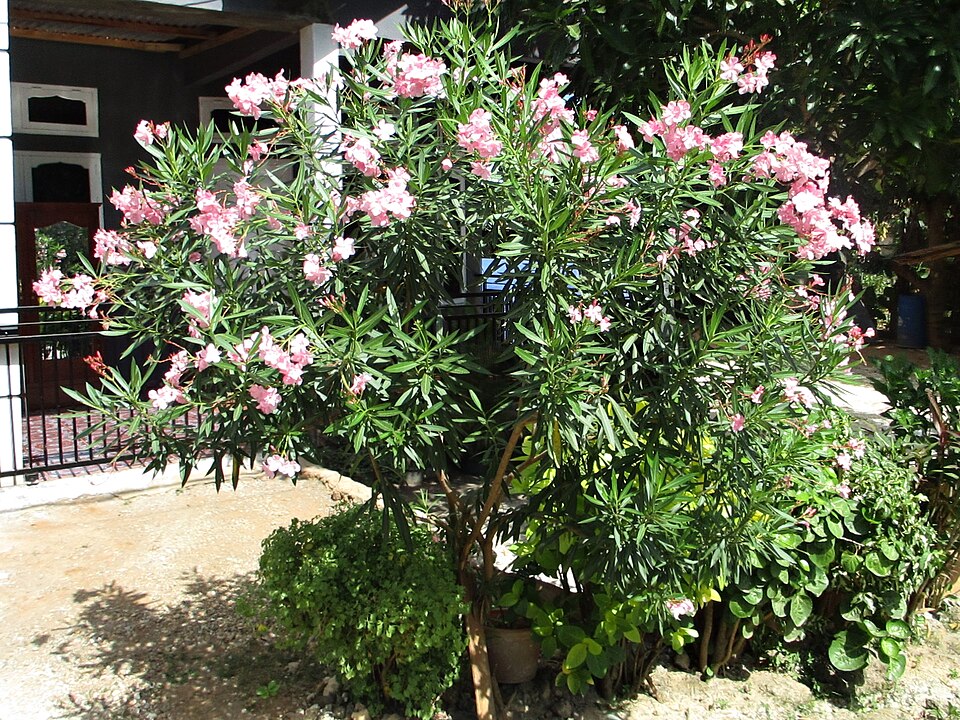
Large shrub with clusters of pink flowers and narrow green leaves beside a building
David E Mead, CC0, via Wikimedia Commons
dogs, cats, horses

Oleander

Scientific name
Nerium oleander
Clinical signs
vomiting, diarrhea, pain, low blood pressure
View details
cats, dogs

Pothos

Scientific name
Epipremnum aureum
Clinical signs
Oral irritation, intense burning and irritation of mouth, tongue and lips, excessive drooling, vomiting, difficulty swallowing
View details
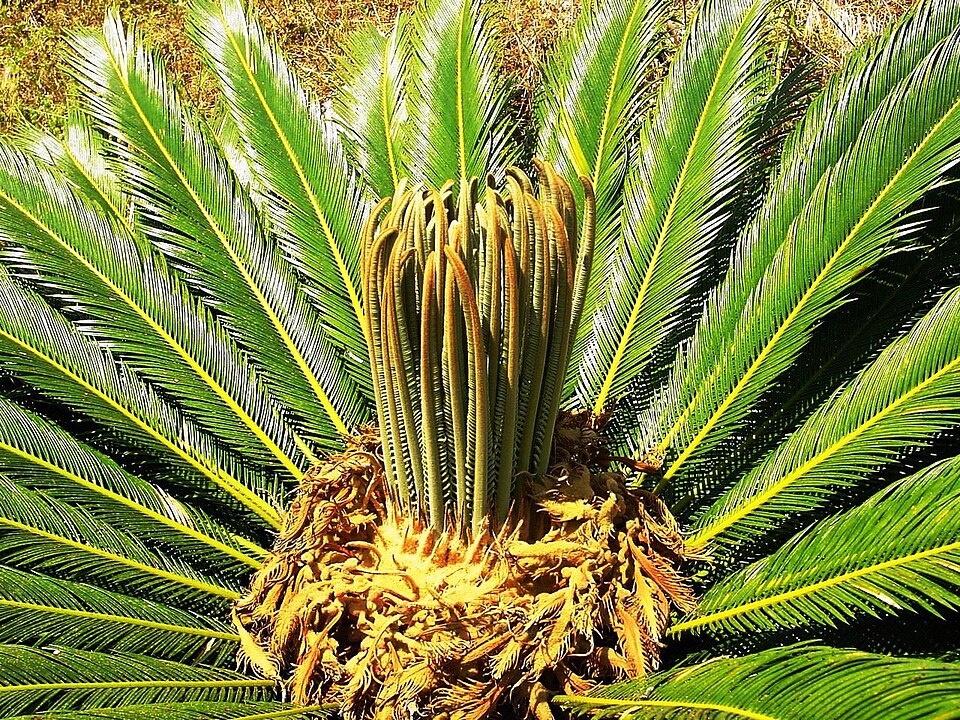
Crown of a palm-like plant with stiff dark green fronds and new growth in the center
Esculapio, CC BY-SA 2.5, via Wikimedia Commons
Dogs, Cats, Horses

Sago Palm

Scientific name
Cycas revoluta
Clinical signs
Liver failure, Death
View details
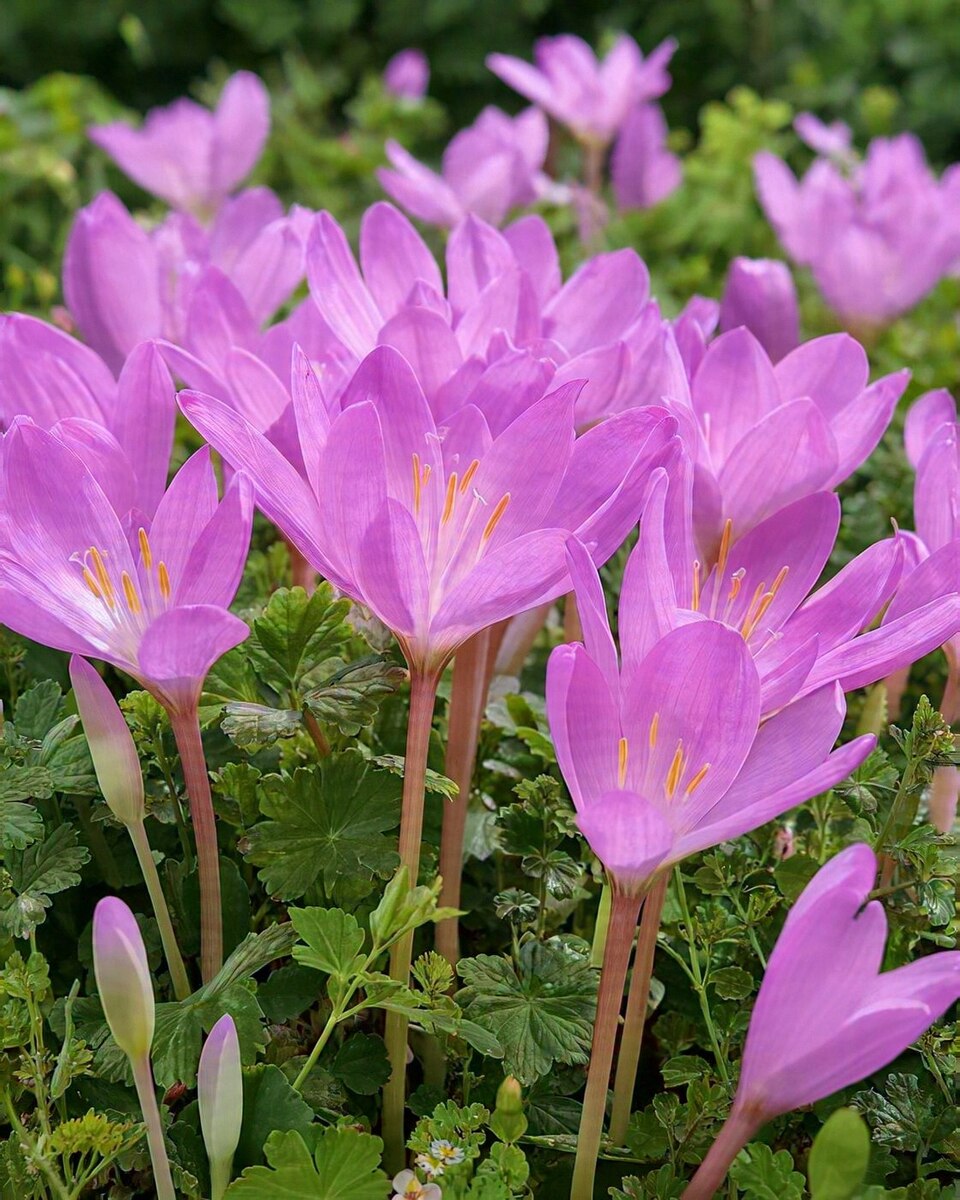
Cluster of pink-purple flowers with orange stamens above green foliage
Steffen Bauer ( www.saatpilot.de ), CC BY 4.0, via Wikimedia Commons
dogs, cats, horses

Autumn Crocus

Scientific name
Colchicum autumnale
Clinical signs
severe stomach upset, heart problems (arrhythmias, low blood pressure), liver failure, kidney failure, abnormal bleeding, bone marrow dysfunction
View details
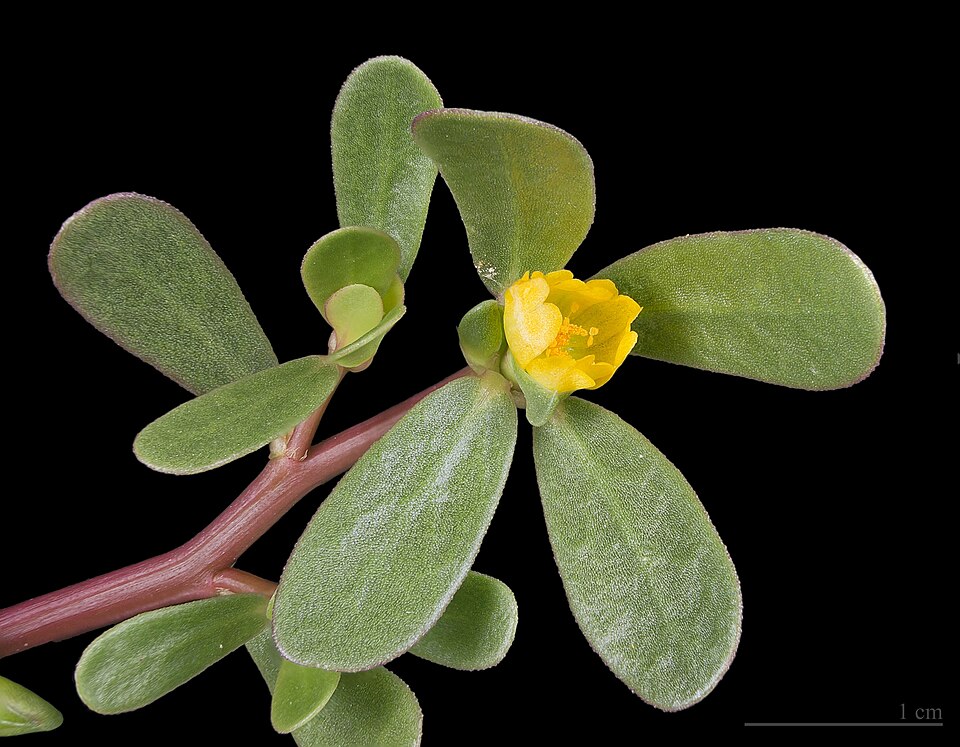
Close-up of a fleshy-leaved stem with a small yellow flower on a black background
Didier Descouens, CC BY-SA 4.0, via Wikimedia Commons
Dogs, Cats

Purslane

Scientific name
Portulaca
View details
dogs, cats

Sago Palms

Scientific name
Cycas revoluta
Clinical signs
severe stomach upset, liver damage, low blood sugar, bleeding issues, seizures, death
View details
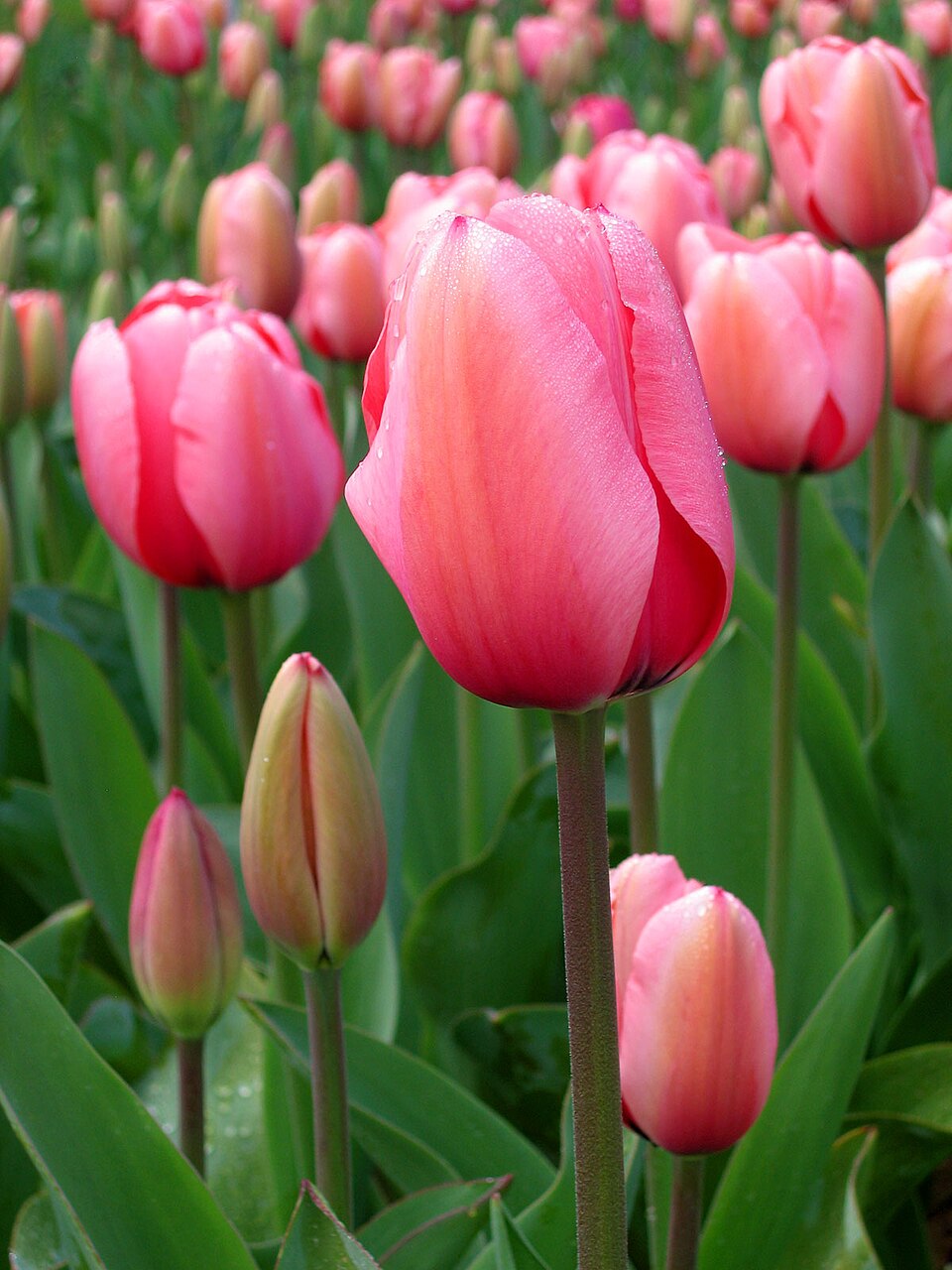
Pink tulips with dewy petals in a field, with a closed bud in front
John O'Neill, CC BY-SA 3.0, via Wikimedia Commons
dogs, cats, horses

Tulips

Scientific name
Tulipa spp.
Clinical signs
significant stomach upset, depression, possible intestinal obstructions
View details
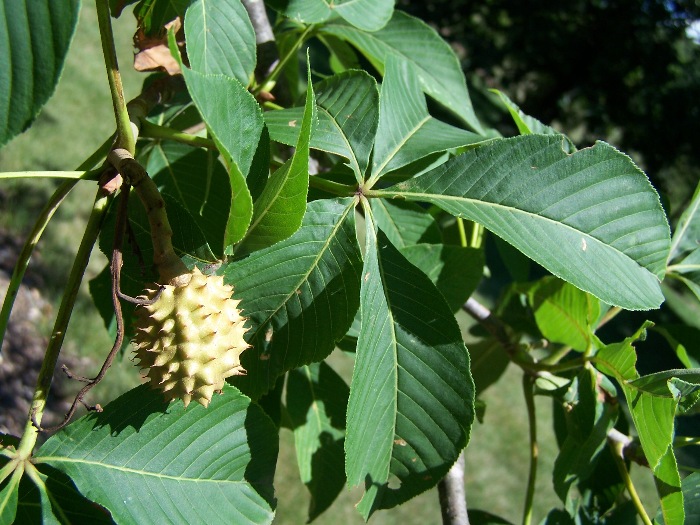
Palmate green leaves and a round spiny fruit hanging from a branch
Bruce Marlin, CC BY-SA 2.5, via Wikimedia Commons
Dogs, Cats

Buckeye

Scientific name
Aesculus
View details
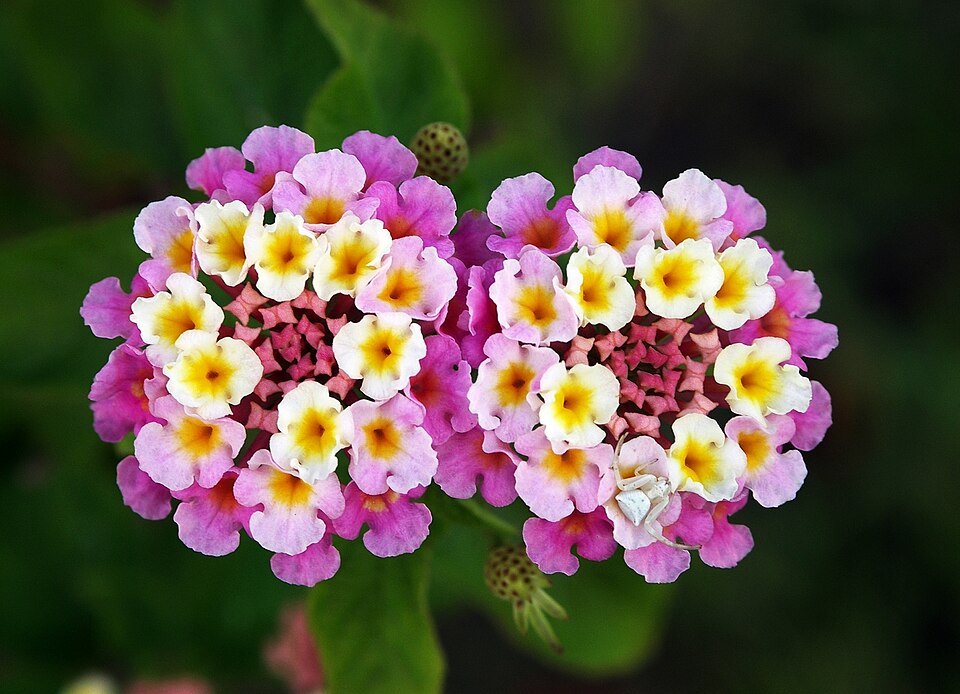
Two clusters of pink, white and yellow flowers among green leaves
Joaquim Alves Gaspar, CC BY 2.5, via Wikimedia Commons
Dogs

Lantana

Scientific name
Lantana camara
View details
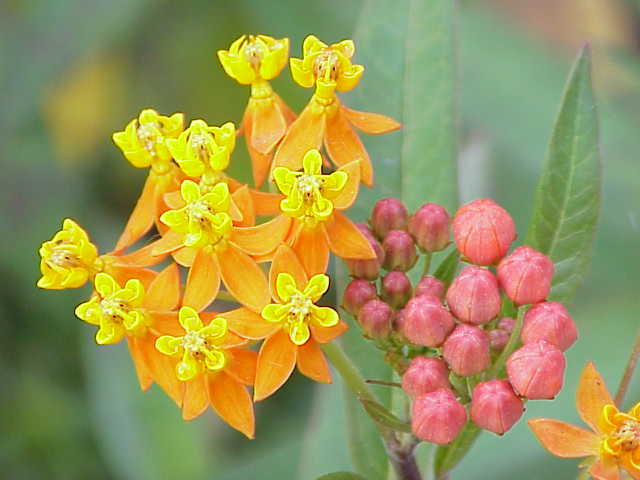
Cluster of orange and yellow flowers beside pink buds on a green plant
Kurt Stüber [1], CC BY-SA 3.0, via Wikimedia Commons
Dogs

Milkweed

Scientific name
Asclepias
View details
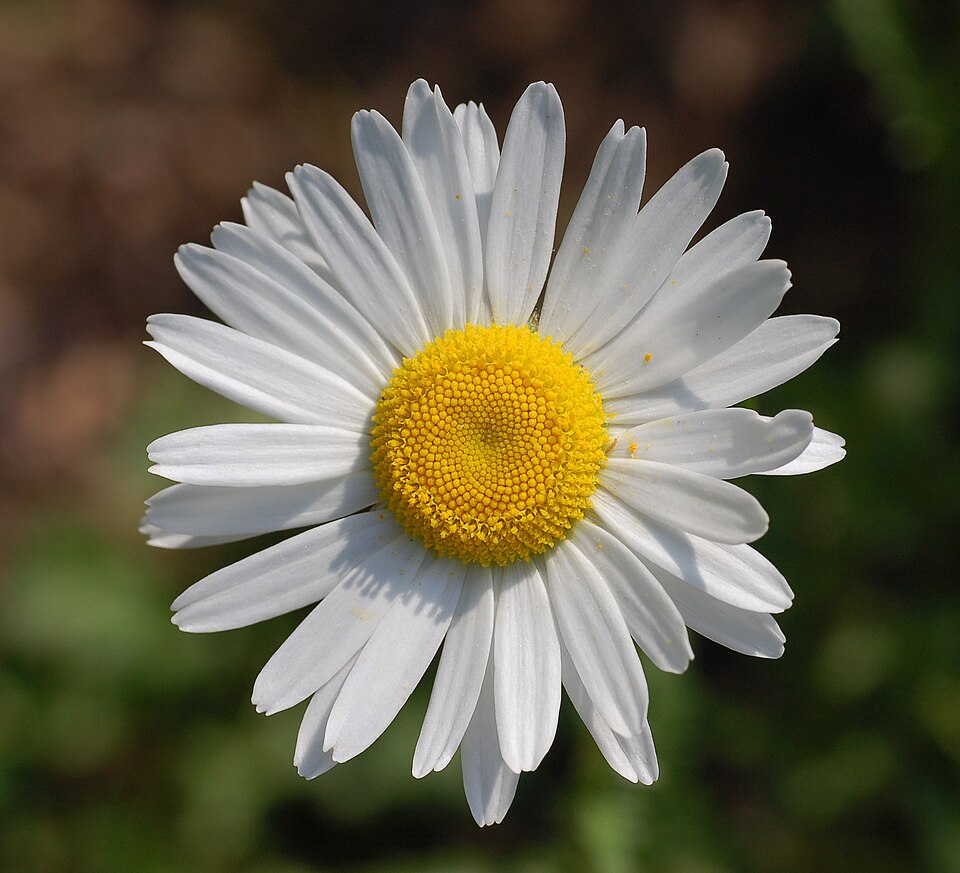
White daisy with a yellow center, photographed from above against a soft green background
Photo by and (c)2008 Derek Ramsey ( Ram-Man ). Co-attributio, CC BY-SA 3.0, via Wikimedia Commons
Dogs, Cats, Horses

Oxeye Daisy

Scientific name
Leucanthemum vulgare
View details
Hanging clusters of purple flowers draped over a wooden pergola in a garden
Steffen Bauer ( www.saatpilot.de ), CC BY 4.0, via Wikimedia Commons
Dogs

Wisteria

View details
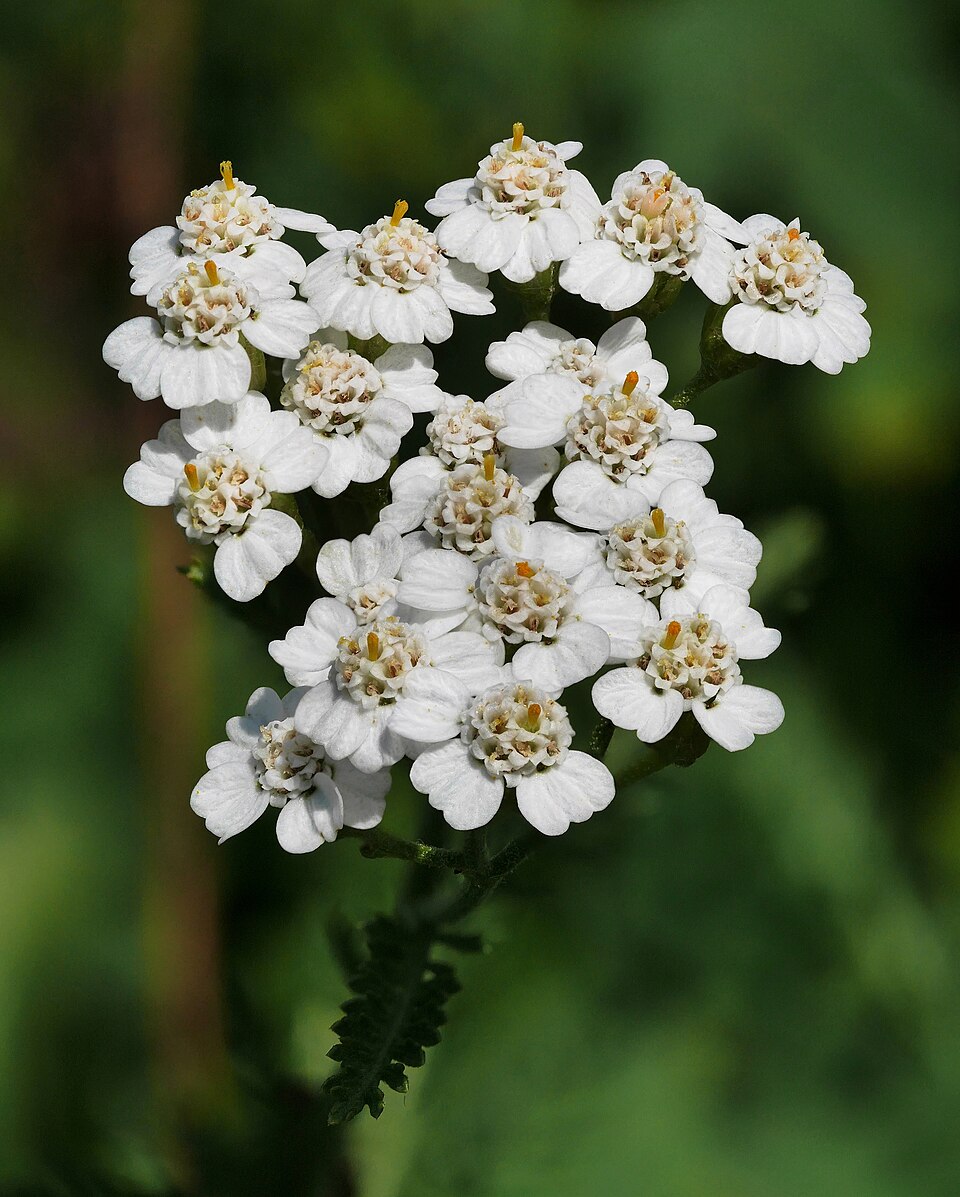
Cluster of small white flowers with yellow centers on a green background
Petar Milošević, CC BY-SA 4.0, via Wikimedia Commons
Dogs, Cats

Yarrow

Scientific name
Achillea millefolium
View details

Other toxic to pages

What to check before you choose

Check the species line

Look at the Toxic to field for your own animal. A plant listed for cats may not be listed for dogs, and the reverse.

Call for help early

If your pet may have eaten a toxic plant, call your vet or ASPCA Animal Poison Control at (888) 426-4435.

Signs are a guide, not a test

The clinical signs listed are what the source reports. Their absence does not mean your pet is safe.

ThePetJournal.comis for sale by its owner, website included.For sale, website included
Buy now